Smart Appliances Connect to Utilities for Energy Savings
Picture entering your kitchen after work to find the dishwasher has completed its cycle during the lowest-cost utility hours. The clothes dryer operates quietly in the background, finishing while using off-peak power. No manual intervention occurs. This represents the seamless convenience of smart appliances that communicate with utilities to save money without compromising comfort or control.
The Everyday Problem
Electricity rates vary throughout the day, but many households receive a flat monthly bill. Major appliances often operate during high-rate periods. Utilities refer to this as peak demand, which stresses the grid, elevates costs, and boosts emissions. The core issue remains straightforward yet persistent: how to operate appliances as needed without incurring higher expenses or environmental impact?
The Opportunity
Smart appliances linked to utilities provide a refined solution. Participation in demand response programs, combined with real-time data, enables appliances to adjust operations for cheaper, cleaner energy. Daily tasks such as washing clothes, brewing coffee, and refrigerating food proceed normally. The key distinction involves precise timing and automation.
This technology embodies smart energy and sustainability principles. It extends beyond mere convenience to promote intelligent energy consumption that supports households, grids, and the environment.
How Smart Utility Integration Works
Connecting smart appliances to a participating utility allows them to receive live pricing and availability signals. Appliances then determine optimal run times or pauses according to user preferences. Consider these examples:
- Smart dishwashers delay starts until rates fall below a specified threshold.
- Connected HVAC systems pre-cool or pre-heat homes ahead of peak periods, then maintain efficiency through inertia.
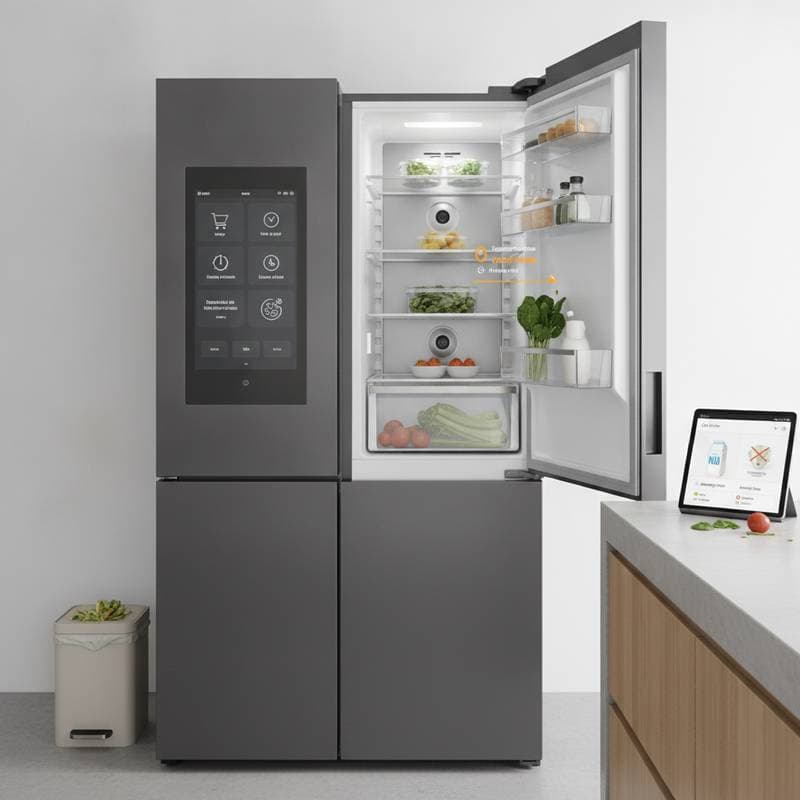
- Refrigerators fine-tune compressor cycles during high grid demand, ensuring food safety remains intact.
Utilities frequently provide incentives like bill credits or rebates for enrollment. Setup occurs via a mobile app or the appliance control panel.
Real-World Appliance Options
For those prepared to adopt this technology, consider these highly rated examples across price ranges.
-
Budget Option: GE Profile Smart Dishwasher (approximately $800)
Compatible with leading smart home platforms, this model links to utilities via the SmartHQ app. Users schedule off-peak operations and monitor energy consumption through their phone. -
Mid-Range Option: LG ThinQ Washer and Dryer Pair (approximately $1,900)
These units feature demand response capabilities that adjust wash and dry cycles automatically. The app notifies users of high-rate periods and enables rescheduling for cost savings. -
Premium Option: Samsung Bespoke Refrigerator with SmartThings Energy (approximately $3,000)
In addition to modulating compressor activity, it evaluates usage patterns and suggests optimization strategies. Paired with a compatible smart meter, it aligns with utility demand response for peak efficiency.
All options connect via Wi-Fi and integrate with ecosystems such as Google Home, Amazon Alexa, or Apple Home. Select models supporting open standards like Matter or ENERGY STAR Connected functionality for enduring compatibility.
Utility Features Worth Exploring
Numerous utilities maintain demand response programs with limited promotion. If a Time-of-Use rate plan exists, inquire about appliance integrations. Certain programs supply free smart plugs or thermostats to participants. These tools extend utility signals to legacy appliances lacking native intelligence.
Utilities also issue critical peak notifications during extreme demand. Compatible appliances reduce power draw briefly in response. Such adjustments yield modest monthly savings, particularly in multi-person households.
Benefits in Daily Life
The primary advantage centers on ease. Tracking prices or altering settings becomes unnecessary. Connected appliances optimize operations discreetly. Key gains include:
- Lower energy bills from automated off-peak scheduling
- Reduced carbon footprint through enhanced grid stability
- Prolonged appliance durability via optimized cycles that minimize stress
- Greater insight into energy habits via app analytics
View your home as a cooperative node in the power network. Comfort persists while bolstering overall grid reliability.
Step-by-Step: Setting Up Smart Utility Connections
-
Check compatibility:
Review the utility website for smart appliance or demand response programs. Verify device support. -
Connect through the app:
Employ the manufacturer app to establish Wi-Fi linkage and authorize utility interaction. -
Choose preferences:
Specify if appliances shift schedules independently or seek user confirmation. -
Monitor performance:
Apps feature dashboards displaying run times, energy consumption, and savings achieved. -
Claim incentives:
Provide enrollment verification to the utility for rebates or credits.
Budget and Timeline Considerations
Smart appliances carry a 10 to 25 percent premium over conventional units. Savings accrue steadily. A smart washer-dryer set, for instance, cuts annual energy use by 15 to 20 percent. With incentives, return on investment typically occurs in three to five years.
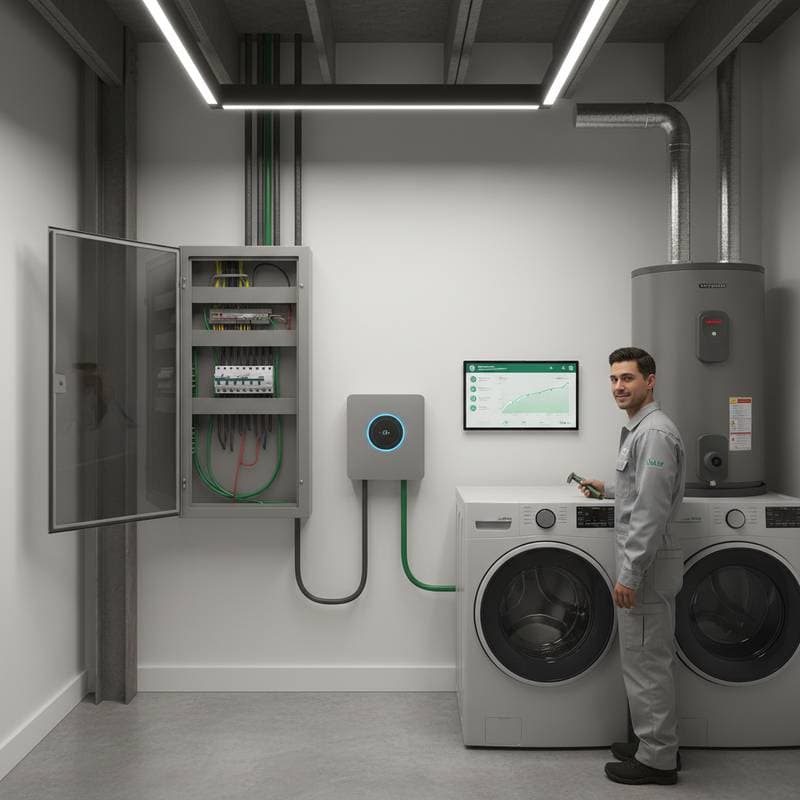
Installation requires under an hour per appliance with existing Wi-Fi. For intricate systems like smart HVAC, engage professionals to handle wiring and ensure code compliance. Consult licensed contractors if uncertainties arise.
Compatibility and Ecosystem Planning
Prior to purchase, assess integration with current smart home setups. Confirm compatibility with hubs like Amazon Echo, Google Nest Hub, or Apple HomePod. While some appliances demand proprietary apps, many adhere to Matter standards for seamless operation.
Opt for brands committed to firmware updates. This safeguards alignment with evolving grid technologies and programs.
Safety and Maintenance
Efficient appliances necessitate secure electrical setups. Refrain from overloading circuits with multiple high-draw devices. Protect Wi-Fi routers with surge protectors. Update firmware routinely to mitigate security risks.
In demand response enrollment, examine participation controls. Retain override options for essential functions, such as medical refrigeration or urgent laundry.
The Future of Integrated Grids and Homes
Utilities advance toward dynamic pricing that incentivizes adaptability. Soon, kitchens and laundry areas may interface directly with grids, responding to renewable energy fluctuations. Solar installations, battery systems, and electric vehicles will integrate into this framework.
This approach democratizes efficiency. Rather than relying solely on major plants for adjustments, distributed homes manage loads collaboratively. Individuals realize savings alongside contributions to sustainable systems.
Implementing Energy-Optimizing Appliances
Begin with a high-use appliance and upgrade to a connected version. Evaluate performance against your utility plan. Scale up as familiarity grows. Coordinated devices maximize returns.
For guidance on suitable products or programs, explore options through vetted specialists in smart integration and energy optimization.
Utility-connected smart appliances elevate home convenience. They pave a tangible route to energy autonomy and ecological stewardship. Delegating timing to appliances converts routine tasks into straightforward avenues for cost reduction and grid support.
FAQs
How do smart appliances know when to run?
They receive real-time signals from utilities or providers regarding pricing and demand. Appliances adjust operations per user-defined settings.
Do I need a smart meter to participate?
Most programs mandate smart meters, though some utilities furnish compatible plugs or hubs as alternatives.