Robot Vacuums That Auto-Refill Pet Water Bowls Effortlessly
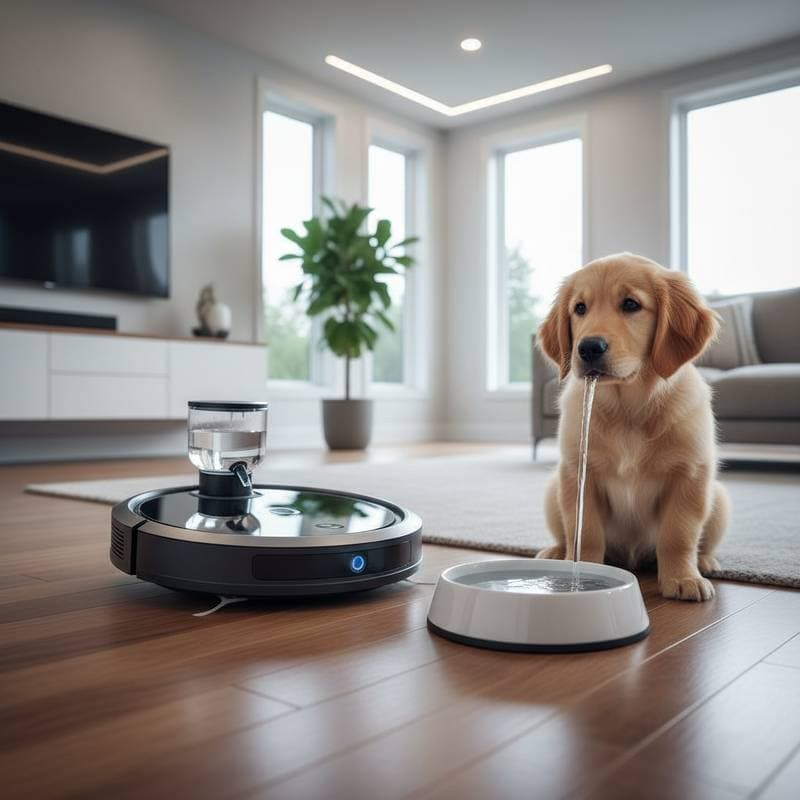
Smart home technology advances to serve both humans and their pets. The latest innovations combine convenience, cleanliness, and care in unexpected ways. Robot vacuums now automatically refill pet water bowls, integrating essential household tasks into one efficient system. This development shows how automation extends to include family pets, creating adaptive living spaces.
These devices vacuum pet hair, clear debris, and maintain fresh water supplies for cats and dogs. Engineers build upon proven cleaning robots to incorporate additional functions. The result offers clean floors and reliable pet hydration, reducing daily responsibilities for owners.
The New Breed of Multi-Tasking Robots
Standard robot vacuums handle floor cleaning effectively, yet they limit themselves to that task. Advanced models now incorporate monitoring and hydration features into a unified design. Equipped with sensors and water control mechanisms, these robots locate pet bowls, approach them, and refill from internal tanks or home water connections.
This integration addresses common challenges like overlooked refills, spills, or dirt accumulation in bowls. Owners benefit from streamlined routines that enhance hygiene without extra effort. The approach proves practical for busy lifestyles while supporting pet well-being.
Why Pet Hydration Became a Smart Home Priority
Pet care drives rapid growth in smart home devices. Surveys indicate that over half of smart home users incorporate at least one pet-related tool, such as cameras or feeders. Hydration systems, however, frequently receive less attention than other needs.
Gravity-fed bowls and electric fountains demand regular maintenance to prevent bacterial buildup. Automation resolves these issues by providing consistent clean water access. Manufacturers target this gap to promote healthier pets through reliable, hands-free solutions.
How the Technology Works
These robots unite established technologies for innovative results. Key components include:
- High-precision sensors to detect bowl locations and dimensions.
- Mapping software that charts home layouts for obstacle-free paths.
- Water modules with reservoirs or connections to filtered supplies.
- AI for recognizing bowls amid toys and clutter.
- App controls for scheduling refills and monitoring levels.
After completing cleaning cycles, the robot assesses hydration needs and executes refills to exact levels. Advanced models feature filters or UV lights to purify water during the process. This coordination ensures minimal disruption to household routines.
Real-World Examples of Smart Hydration Robots
Innovative companies develop prototypes and market-ready units. One startup offers a vacuum with a removable tank that services several bowls per charge. A leading smart home firm pairs its cleaner with automated fountains for synchronized operation.
In tests, a robot approached a low water bowl, added fresh supply, and wiped nearby spills. Pets adjusted swiftly, often positioning themselves to observe the routine. Users note reduced manual checks and improved pet satisfaction.
Why This Matters for Everyday Life
These robots tackle practical problems in modern homes. They consolidate cleaning and refilling tasks, freeing time for owners with demanding schedules. Frequent travelers or shift workers gain dependable oversight without daily interventions.
The setup also minimizes health risks from dehydration, particularly for senior pets or those with conditions. Owners report less anxiety over routine oversights. Overall, the technology elevates home care standards.
Integration with Broader Smart Ecosystems
Compatibility defines effective smart homes. These robots link with platforms like voice assistants for commands such as verifying water status. Integration with cameras or pet doors allows dynamic adjustments based on activity patterns.
This connectivity supports cohesive experiences across devices. Users avoid managing separate systems, as the robot coordinates with others for comprehensive coverage. The design aligns with demands for intuitive, predictive automation.
Overcoming Challenges and Limitations
Implementation faces hurdles like varying home configurations and floor types. Robots require accurate bowl alignment and safeguards against overfills or contamination. Solutions involve isolated water and cleaning sections plus sensors for detecting issues.
Initial costs position these units in the premium range, akin to top vacuums. Market expansion should lower prices through increased production. Demand for pet tech suggests strong adoption potential.
The Role of Data and Learning
Adaptive learning enhances robot performance. Algorithms track drinking patterns and usage to optimize schedules. Over time, devices predict needs and adjust operations accordingly.
Collected insights highlight shifts in habits, signaling possible health concerns. Secure data sharing with vets enables proactive care. This evolution turns routine tools into wellness partners.
Sustainability and Energy Efficiency
Designers prioritize eco-friendly elements. Efficient motors and recyclable parts minimize environmental impact. Precise water dispensing cuts waste beyond manual methods.
Self-cleaning tanks employ low-chemical filtration. These features attract users who balance convenience with planetary responsibility. The approach sustains long-term viability.
What Consumers Should Look For
Prospective buyers evaluate essential attributes:
- Isolated systems for water and cleaning to prevent mixing.
- Mobile apps for controls and notifications.
- Durable, antimicrobial materials for safety.
- Support for major smart platforms.
- Low-noise operation to avoid pet stress.
Consider tank capacity, runtime, and upkeep needs. Larger setups favor plumbed connections; compact areas suit onboard reservoirs.
The Emotional Side of Automation
Technology bridges care gaps for pet families. Like climate controls for comfort or secure entries for safety, hydration automation delivers reliable support. It embodies thoughtful design that anticipates overlooked essentials.
Absence brings reassurance that needs remain met. This reliability fosters deeper bonds through consistent attention.
Looking Ahead to Smarter Pet Ecosystems
Hydration-capable vacuums launch a wave of integrated pet solutions. Upcoming models may handle feeding, litter duties, and vital monitoring. Coordinated networks could tailor care to individual pet profiles.
Research advances animal-focused automation. Homes evolve into supportive environments that nurture all inhabitants.
Adopting These Innovations Today
Pet owners can begin with upgradeable cleaning robots. Compatibility kits or add-ons from brands facilitate entry. Unified ecosystems simplify management and maximize benefits.