Smart Locks That Counter Fingerprint Cloning
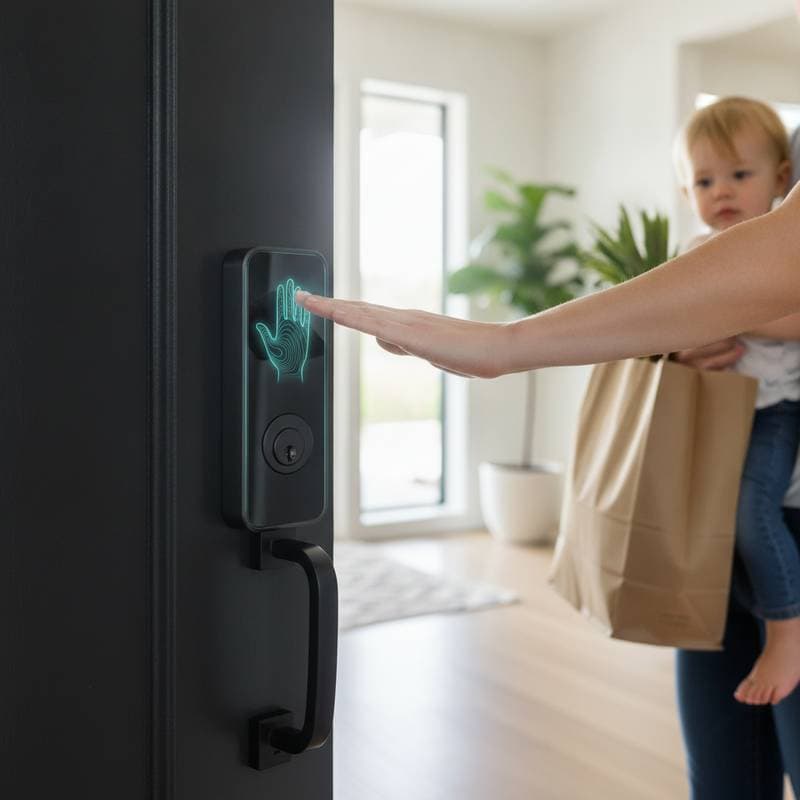
Smart homes have transitioned from optional conveniences to essential components of modern living, with security forming the core of this shift. Smart locks represent one of the most reliable elements in this interconnected environment. As fingerprint sensors proliferated across devices like smartphones and entry doors, vulnerabilities such as fingerprint cloning emerged. The latest biometric locks address these risks through integrations of sophisticated sensing technologies, artificial intelligence, and innovative materials.
Vulnerabilities in Conventional Fingerprint Locks
Traditional smart locks depend on fixed fingerprint images for authorization. This approach offers ease of use but exposes systems to replication attacks, where prints are duplicated from photos or surface residues. Researchers have shown that standard 3D printers can fabricate models capable of deceiving legacy sensors. Homeowners who install these devices seek reassurance, yet such weaknesses undermine that confidence.
Liveness Detection as Primary Protection
Liveness detection stands out as a key advancement in biometric security. These systems extend beyond ridge and valley patterns to detect vital signs within the finger, including temperature, blood flow, and electrical properties. This verification ensures the fingerprint originates from a living individual rather than a synthetic duplicate.
Silicone molds may replicate visual details precisely, yet they fail to replicate physiological indicators like warmth or pulsation. Leading manufacturers, including Ultraloq and Lockly, equip their devices with multi-spectral imaging capabilities. These tools examine skin layers at various wavelengths to authenticate the source, rendering cloned prints ineffective.
Adaptive Algorithms for Ongoing Refinement
Modern smart locks incorporate machine learning algorithms that evolve with user interactions. With each access attempt, the system captures nuances in fingerprint traits and application pressure. This process enhances precision in identifying authorized users versus potential threats.
Such adaptation provides layered defense; a flawed clone would reveal inconsistencies through behavioral analysis. Certain models link this functionality to secure cloud processing, where data remains encrypted and isolated from external access. Homeowners benefit from a system that strengthens itself without manual intervention.
Hybrid Authentication for Comprehensive Security
To further fortify access controls, developers implement hybrid authentication frameworks. These combine fingerprint verification with supplementary checks, such as proximity detection via a paired smartphone or a numeric code. This multi-step process accommodates diverse scenarios while elevating overall protection.
For instance, temporary access for service providers like pet sitters avoids compromising primary biometric data. Mobile applications allow precise scheduling and immediate revocation of permissions. This methodology aligns with protocols in financial services, extending high-level safeguards to physical entry points.
Tamper-Resistant Materials for Enhanced Durability
Contemporary smart locks feature construction materials designed to deter print extraction. Specialized coatings reduce residue adhesion, limiting opportunities for unauthorized capture. Sapphire glass shields protect sensors from abrasions that might compromise scan integrity.
These elements contribute to system longevity and reliability. A maintained sensor surface ensures consistent performance of underlying digital features. Together, they create a barrier that supports the lock's intelligent operations.
Examples from Leading Products
Innovations appear in products from prominent brands. Ultraloq's recent fingerprint lock employs liveness detection alongside AI pattern recognition for seamless verification. Lockly's updated model integrates biometric scanning with Bluetooth-based presence confirmation, streamlining authorized entry.
Other devices, such as those from Yale, incorporate ultrasonic sensors that map subsurface structures, adding depth to authenticity checks. These real-world implementations demonstrate practical applications of combined technologies.
Benefits of Upgraded Smart Locks
Homeowners gain peace of mind from locks that distinguish genuine biometrics from forgeries. The convenience of fingerprint access returns without the shadow of exploitation.
Adopting these advanced systems extends beyond basic protection. They deliver real-time responsiveness, learning capabilities, and adaptability that align with daily routines.
Steps to Secure Your Home
Fingerprint cloning poses ongoing challenges for intruders, yet biometric advancements outpace such methods. Select locks that integrate liveness detection, behavioral learning, and multi-factor options for optimal defense.
Evaluate compatibility with existing smart home setups during purchase. Regular firmware updates maintain peak performance against emerging threats. This proactive strategy ensures your entry points remain vigilant and user-friendly.