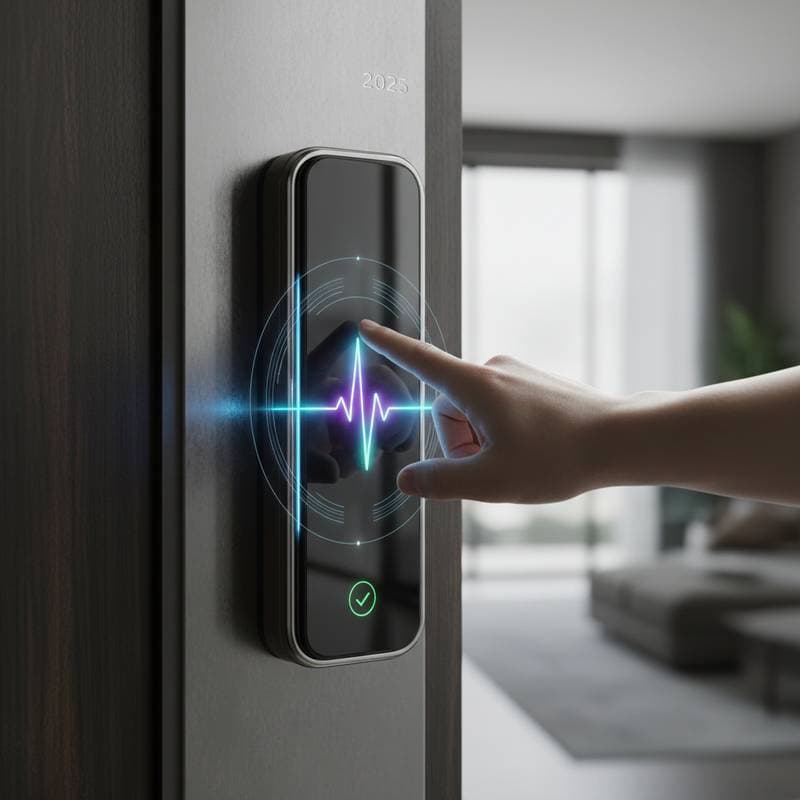
Biometric Smart Locks: Unlock with Heartbeat Scans
Smart home security advances quickly, surpassing basic keypads and fingerprint scanners. Biometric smart locks now authenticate users via unique heartbeat patterns. This emerging technology delivers reliable keyless entry. It merges accurate biometric verification with user-friendly design to enhance secure access.
The Next Leap in Biometric Authentication
Fingerprint and facial recognition serve as common methods, yet heartbeat authentication delves further. Each person's heartbeat exhibits distinct variations in structure and rhythm. Sensors in the lock capture this cardiac signature through touch or nearness, enabling precise identity confirmation.
This method excels in countering forgery attempts. Fingerprints risk duplication, and passcodes invite sharing. Heartbeat patterns resist replication, positioning them as highly personal identifiers. Security experts highlight their inherent privacy advantages.
Why Heartbeat Scans Matter for Everyday Living
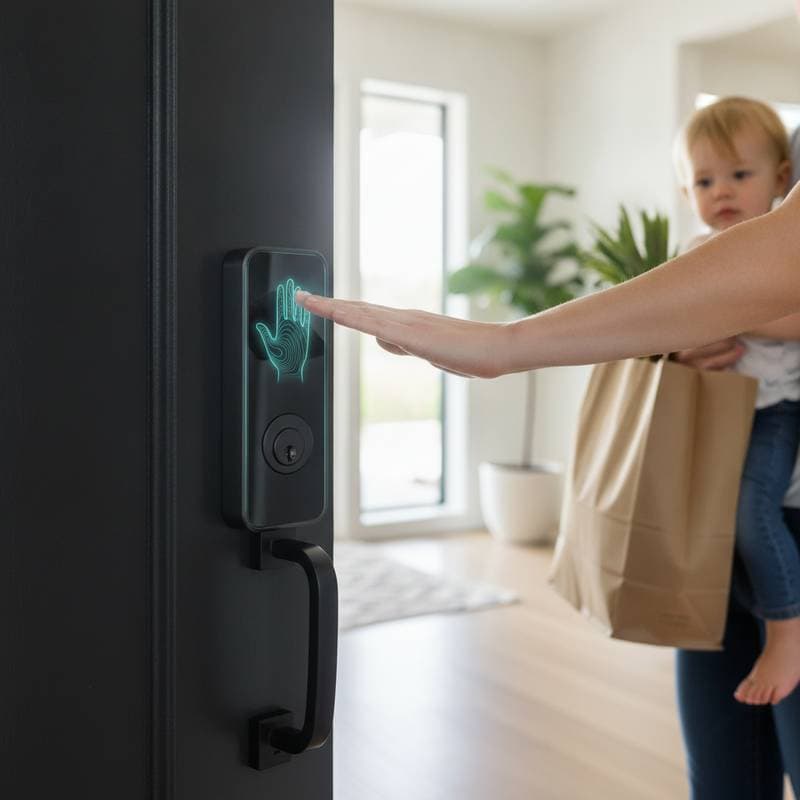
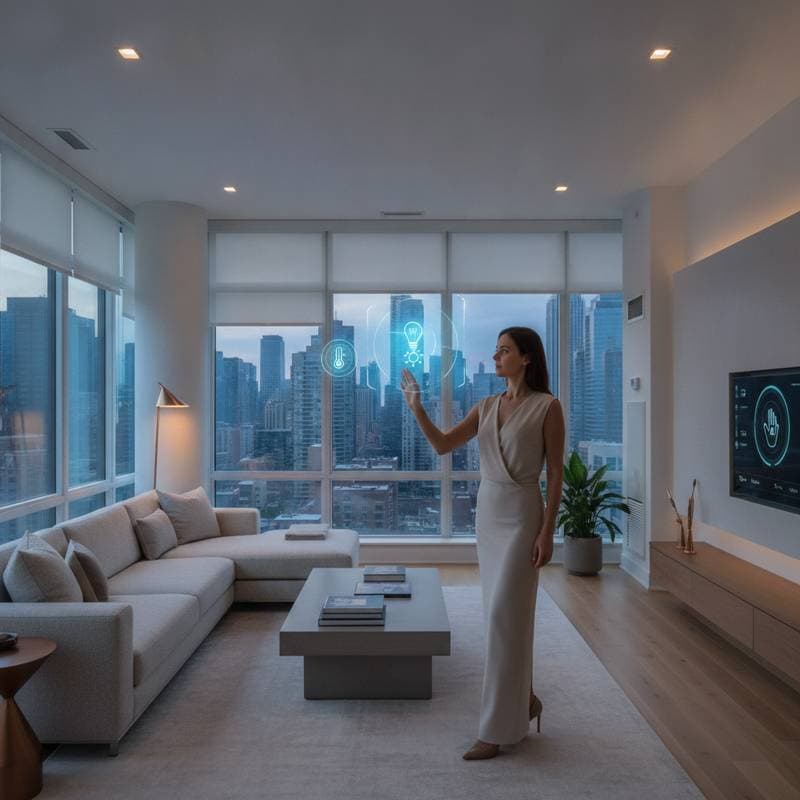
Unlocking doors via heartbeat extends beyond novelty to real utility. Homeowners eliminate keys, cards, and password recall. Picture approaching the entrance with packages in hand; the lock senses your touch and grants entry without delay. Your home then activates preferred lights and climate controls.
Such integration promotes seamless daily interactions. These locks secure entrances while fostering intuitive environmental responses. They align with the rise of technology that operates subtly in routine life.
How the Technology Works
The system employs sensors to detect electrocardiogram (ECG) or photoplethysmography (PPG) signals from the heartbeat. Contact with the lock activates these sensors, which analyze electrical or light-based patterns. The device matches the real-time signal against an encrypted stored profile for instant verification.
Advanced versions connect to wearables like smartwatches for pre-arrival authentication. Handles or keypads incorporate conductive elements for direct sensing. The verification completes in under one second, operating without noticeable disruption.
Real Examples of Heartbeat Authentication in Action
Innovative firms develop heartbeat-integrated security solutions. Prototypes link locks to home networks, enabling door access, alarm deactivation, and scene adjustments through one interaction. One design pairs a wristband with the lock to transmit heartbeat data wirelessly.
Another embeds sensors in the door frame for proximity detection. Consumer research indicates strong demand for biometrics emphasizing ease and data protection. As interest builds, these locks position themselves as leaders in access control.
Integration with Smart Home Ecosystems
These locks shine brightest within comprehensive smart home setups. Post-authentication, they initiate tailored actions like lighting adjustments or thermostat changes. Paired with cameras and sensors, they form adaptive defense layers responsive to verified users.
This setup builds a cohesive system that identifies individuals beyond mere detection. It tracks habits, predicts requirements, and automates responses. Such connectivity elevates home management from reactive to proactive.
Addressing Security and Privacy Concerns
New biometrics prompt valid worries over data handling. Heartbeat information resides locally on the device under strong encryption, avoiding cloud transmission. This approach minimizes breach vulnerabilities.
Developers implement anonymized processing techniques. Even in compromise scenarios, patterns remain irreconstructible. Users gain assurance in the safeguarding of their unique biometric details.
The Potential for Broader Applications
Beyond residential doors, heartbeat verification suits diverse uses. Vehicles could start via sensor touch, offices grant entry similarly, and financial apps confirm users through device contact. This uniformity streamlines identity across platforms.
Future advancements will shrink sensors for higher precision. Heartbeat systems may combine with facial or voice checks for robust multi-factor verification. Resulting setups deliver immediate, context-aware responses without traditional credentials.
Practical Considerations for Early Adopters
Prospective users should prepare for an initial setup. The lock requires multiple heartbeat readings to establish a baseline profile. Family members or guests receive separate calibrations for individualized access.
Power management demands attention due to sensor demands. Units feature efficient designs with low-battery notifications. Routine upkeep stays simple, supported by over-the-air firmware updates.
Enhancing Daily Security Through Personal Recognition
Heartbeat authentication transforms home protection into a personalized process. It secures spaces while simplifying routines, creating environments that respond intuitively to inhabitants. As this technology matures, it paves the way for smarter, more attuned living spaces.