Smarter Cleaning Through Precise Targeting
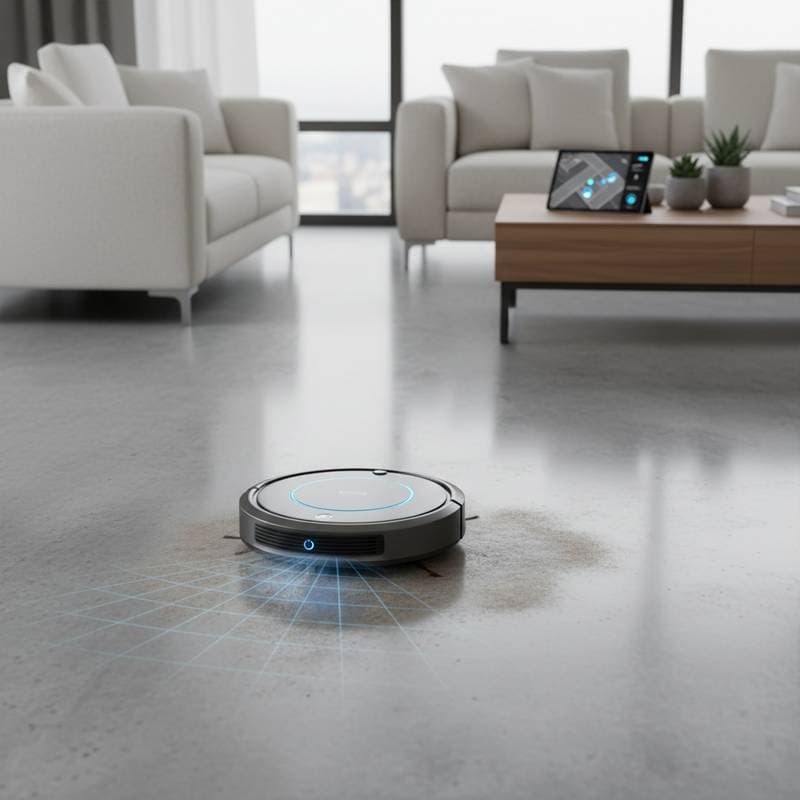
Robot vacuums have transformed household chores, gliding silently across floors to capture dust and debris. Yet many models repeat paths over already clean surfaces, overlooking persistent trouble spots like crumbs under tables. The latest AI robot vacuums address this inefficiency by detecting dirt in real time and focusing efforts where they matter most.
These advanced devices extend beyond basic mapping. They employ sensors and algorithms to identify soiled areas, increase suction as needed, and prioritize recurring problem zones. Homeowners benefit from thorough cleaning, extended battery life, and reduced mechanical wear.
The Value of Focused Deep Cleaning
Conventional robot vacuums follow uniform patterns, treating all floor space equally. This approach leads to unnecessary passes over pristine areas, consuming excess energy and time. In contrast, AI-driven models assess surface conditions dynamically, directing intensive cleaning solely to debris-laden sections.
Consider a kitchen spill during breakfast preparation. A traditional vacuum completes its entire scheduled route to address the incident. An AI-equipped unit scans the area, detects alterations in texture or light reflection from the mess, and performs targeted passes, leaving the remainder of the home undisturbed.
This precision not only conserves resources but also enhances overall cleanliness. By avoiding over-cleaning, these vacuums maintain optimal performance and extend operational longevity.
Detecting Dirt with Advanced Technology
AI robot vacuums integrate multiple technologies for accurate dirt identification. Optical cameras capture visual differences between clean and soiled surfaces, while LiDAR provides precise spatial mapping. Onboard processors analyze data from infrared sensors, which gauge dust levels, or monitor suction variations signaling debris presence.
Upon detection, the vacuum activates specialized routines, such as heightened suction or repeated traversals over the affected zone. Leading models go further by constructing a dirt accumulation map across multiple sessions. This learning process highlights high-traffic areas, like doorways or furniture undersides, for future prioritization.
Users report noticeable improvements in efficiency after initial learning phases. The system refines its understanding with each cycle, adapting to household patterns for increasingly effective results.
Top Recommendations for AI Robot Vacuums
Selecting the right model depends on budget, home size, and desired features. The following options showcase reliable performance in targeted cleaning across price ranges.
-
Eufy RoboVac G30 Verge ($250)
This entry-level device employs gyroscopic navigation and rudimentary dirt sensing. It boosts suction upon encountering debris, making it suitable for compact spaces or routine maintenance. -
Roborock Q Revo ($900)
Equipped with LiDAR for detailed mapping and AI for object and surface recognition, this mid-tier vacuum adjusts cleaning intensity based on floor type. It memorizes frequent dirt locations, initiating focused sessions there during subsequent runs. -
iRobot Roomba Combo j9+ ($1,400)
The premium choice features neural networks and dual cameras for superior dirt and obstacle detection. It performs deep cleaning selectively, includes self-emptying capabilities, and combines vacuuming with mopping while navigating around carpets. Mapping evolves with use, optimizing paths over time.
All models integrate with platforms such as Alexa, Google Home, or Apple HomeKit. Voice or app controls enable customized schedules, and some respond to environmental triggers like motion sensors for automatic activation.
Preparation for Optimal Performance
To maximize effectiveness, prepare the environment before initial use. Remove cords, low-lying obstacles, and highly reflective items that might interfere with sensors. For darker or glossy floors, select units with enhanced optical capabilities.
During app setup, complete a thorough mapping run to establish accurate layouts and surface variations. Define custom zones for rooms like kitchens or hallways, allowing commands for isolated deep cleans. In pet-friendly homes, program frequent sessions near food bowls or litter areas; the AI will eventually designate these as priority targets.
Regular environmental checks ensure consistent operation. Adjust lighting if needed, as even illumination aids sensor accuracy.
Investment, Upkeep, and Durability
AI robot vacuums range from $250 to $1,400, with costs reflecting sensor sophistication and power levels. Higher-end features yield superior targeting, justifying the expense through time savings and reduced energy use.
Upkeep involves straightforward tasks: emptying bins after cycles, brushing debris from rollers weekly, and applying firmware updates via the app. Wipe sensors gently to avoid dust interference. Targeted operation often shortens total run times by up to one-third, preserving battery health and component life.
For self-emptying bases, change bags monthly. Mopping models require tank rinsing and pad cleaning post-use to eliminate residues and odors.
Ensuring Safety and Expert Support
These devices prioritize safety through obstacle avoidance and stable navigation. In multi-story or intricate homes, professional assistance optimizes Wi-Fi signals and virtual barriers. Retailers provide certified installers for seamless integration with existing smart systems.
Allergy sufferers should opt for HEPA-filtered models with airtight bins to trap particles effectively. Confirm compliance with prevailing safety and efficiency regulations before purchase.
Practical Strategies for Enhanced Results
Experienced owners share these approaches for superior outcomes:
- Allow initial runs to build comprehensive dirt maps before zone modifications. Data accumulation reveals authentic high-debris regions.
- Maintain steady lighting during operations to support precise detection.
- Opt for frequent, brief targeted cleans in vulnerable areas over exhaustive full-home sessions, balancing thoroughness with device preservation.
An underappreciated feature in many units involves dynamic suction modulation tied to battery status. As charge diminishes, power adjusts subtly for cleaner zones, ensuring completion without compromise while prolonging usability.
Achieving Effortless Cleanliness
Integrating an AI robot vacuum elevates daily maintenance to a seamless routine. By concentrating on actual needs, these tools deliver spotless floors with minimal intervention. Invest in a model that aligns with your lifestyle, follow setup best practices, and enjoy the sustained benefits of intelligent automation.