Envision a Refrigerator That Anticipates Spoilage
You open the door to retrieve milk, anticipating a fresh pour, yet discover it has soured. That moment results in unnecessary expense and frustration. Food waste accumulates subtly through overlooked leftovers and produce that appeared viable just a day prior, complicating efforts to manage a grocery budget and maintain nutritious meals.
Advanced smart refrigerators equipped with spoilage detection technology alter this experience. These innovative appliances identify impending food deterioration, often up to three days in advance of unsafety. Such capability minimizes surprises, reduces discarded items, and streamlines kitchen oversight.
Strategies to Minimize Waste and Optimize Savings
Household food waste presents a significant challenge. Demanding routines often lead to oversight of refrigerator contents, resulting in the disposal of items like half-used strawberry containers or overlooked yogurt. A smart refrigerator with freshness monitoring restores order to these dynamics.
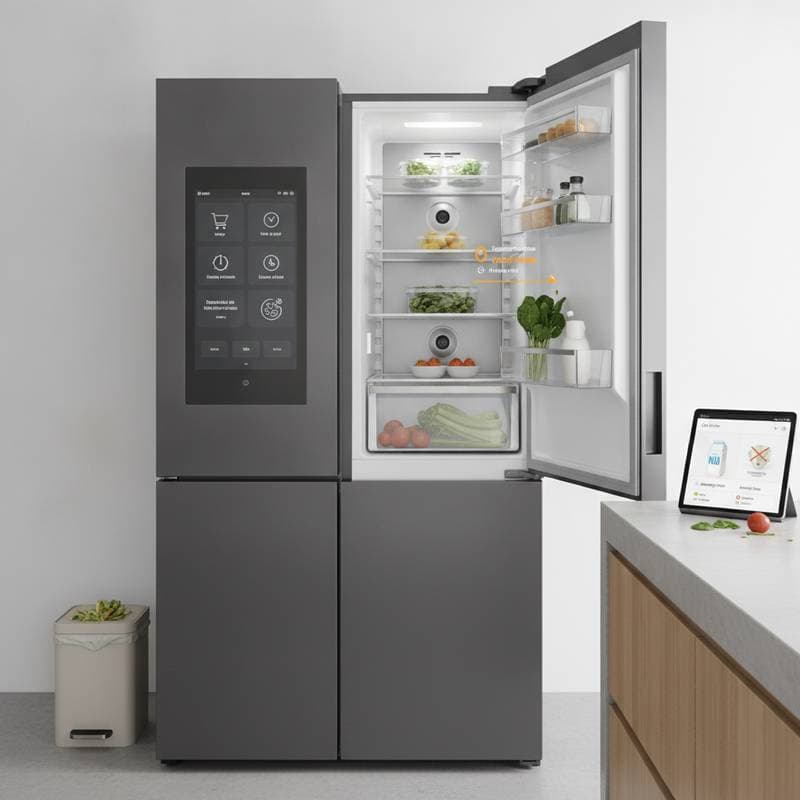
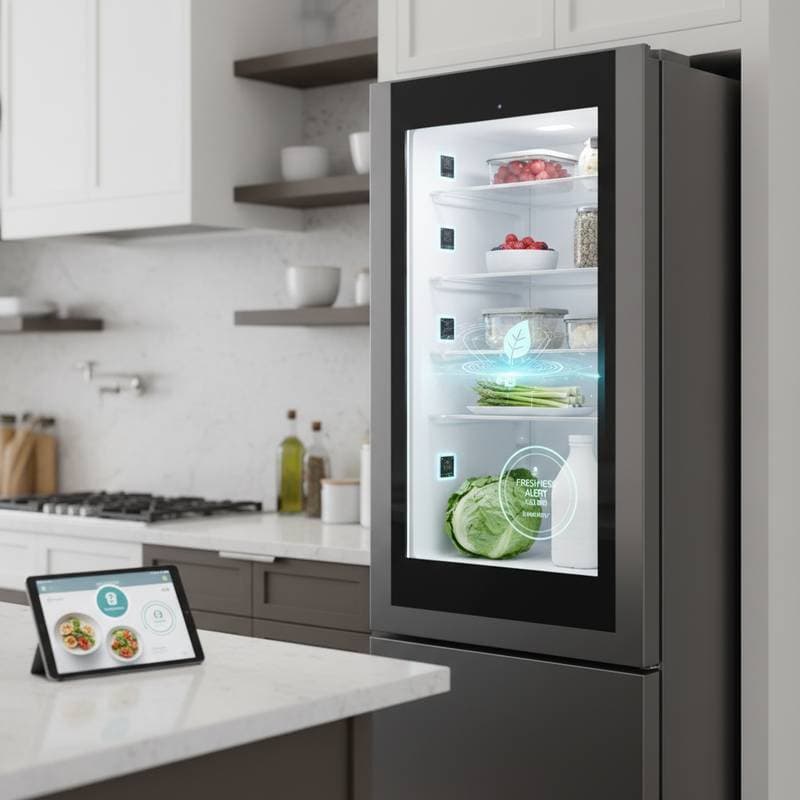
These units employ AI-powered sensors, internal cameras, and air quality analyzers to identify spoilage indicators. The system examines variations in temperature, humidity, and chemical profiles to issue timely alerts via mobile notifications or the appliance display. This advance notice allows users to consume or preserve items promptly.
Mechanisms Behind Spoilage Detection
The technology integrates multiple sensor categories:
- Volatile Organic Compound (VOC) Sensors: These identify ethylene and ammonia emissions from spoiling fruits, vegetables, and proteins.
- Optical Cameras: Select models deploy interior cameras to observe alterations in food color and texture.
- Temperature and Humidity Sensors: Precise control of cooling environments and compartment microclimates prolongs freshness.
- AI Algorithms: Onboard processing applies pattern recognition to adapt to household storage and consumption patterns, enhancing spoilage forecasts and optimization suggestions over time.
A lesser-known feature involves synchronization with digital grocery platforms. Upon detecting nearing expiration, the refrigerator can append replenishments to shopping lists or propose recipes utilizing available ingredients.
Selecting an Appropriate Smart Refrigerator
Smart refrigerators vary in sophistication across budget levels. Consider these options:
- Entry-Level Model: The Samsung SmartThings RT18M6215SR, priced at approximately $1,100, provides essential app integration, temperature stabilization, and door-open notifications. Although it lacks dedicated gas detection, stable storage conditions contribute to waste reduction.
- Intermediate Option: The LG InstaView ThinQ, around $2,500, incorporates cameras and AI for freshness evaluation. Transparent panels allow interior views without door access, preserving cold air. The ThinQ application generates recipe ideas from scanned contents.
- High-End Variant: The GE Profile with FlavorLock Sensors, at about $4,000, utilizes comprehensive sensor arrays to monitor ethylene and hydrogen sulfide. It delivers alerts up to three days prior and connects to smart speakers for auditory notifications.
Integration compatibility proves essential. Verify alignment with ecosystems like Amazon Alexa, Google Home, or Samsung SmartThings to facilitate seamless alerts and automations.
Key Factors for Upgrading
Smart refrigerators represent substantial purchases relative to conventional units. Evaluate these elements prior to acquisition:
- Financial Planning and Returns: Premium units, though costly at several thousand dollars, offset expenses via diminished waste and lower energy use.
- Spatial Requirements: Conduct precise measurements, as these models feature expansive screens and extended door depths.
- Network Reliability: Ensure robust Wi-Fi coverage in the kitchen area to support uninterrupted alerts and data processing.
- Upkeep Procedures: Clean sensors and cameras periodically; power down the unit before interior maintenance to prevent harm.
- Installation Safety: Engage certified electricians for any wiring needs, given potential higher power demands and dedicated circuits.
For optimal performance, prioritize ventilation and arrangement. Sensors function best with unobstructed airflow; maintain spacing of several inches around items to enable accurate air sampling.
Enhancing Functionality Through Kitchen Integration
A smart refrigerator amplifies its utility within an interconnected appliance network. For instance, upon identifying imminent spinach spoilage, it might prompt a smart oven for quiche preparation instructions. Voice assistants can reinforce reminders to utilize expiring chicken.
Current models link with smart scales, recipe databases, and inventory trackers to form cohesive systems. This setup alleviates cognitive burdens, allowing the kitchen to self-regulate inventory and requirements.
Implementing the Upgrade
Transitioning to a smart refrigerator extends beyond gadget acquisition; it fosters a collaborative kitchen environment. Establish a budget and explore models aligned with lifestyle needs. Frequent cooks benefit from advanced tracking, while convenience seekers favor grocery and voice integrations.
Post-installation, initialize calibration by inputting dates, labeling items, and permitting preference learning. Within weeks, reduced oversights and refined planning emerge. Predictive notifications evolve into reliable guidance, akin to an embedded culinary aide.
Early spoilage detection in smart refrigerators transcends gimmickry. It advances waste reduction, cost efficiency, and nutritional habits. For aspirations of interconnected kitchens or mere aversion to discarded edibles, these devices provide tangible advantages.
Prepare to access a refrigerator brimming with viable provisions, proactive notifications, and safeguards for fiscal and health priorities.