When Your Smart Appliances Start Talking to the Grid
Imagine your dishwasher quietly waiting for the perfect moment to run, not because you scheduled it, but because your local utility sent a signal that electricity prices just dropped. You wake up to clean dishes, lower energy costs, and a smaller carbon footprint. This convenience stems from a sophisticated network of communication between your home and the power grid.
The Challenge of Modern Energy Demand
Electricity demand fluctuates constantly. When millions of homes activate air conditioners simultaneously, power companies must generate or purchase additional electricity to meet the load. Such surges strain the grid, increase rates, and necessitate reliance on less efficient power plants.
For decades, managing this balance operated as a one-way process: utilities produced power, and consumers used it with limited coordination. Smart appliances now alter this dynamic. These devices communicate with utilities in real time, adjusting operations based on supply levels, pricing, and grid stability. This interaction, termed smart grid integration, transforms residential energy use.
How the Conversation Works
Central to this system is demand response, where appliances react to utility signals. For instance, if the grid faces strain, a connected water heater may postpone its heating cycle by 20 minutes. Conversely, when wind or solar output peaks, a washing machine could initiate its cycle early to leverage abundant clean energy.
This process relies on internet-connected smart home ecosystems. Utilities employ secure protocols to transmit data to compatible devices via platforms such as Matter, Zigbee, or Wi-Fi. A smart hub or cloud service interprets these signals and executes the adjustments.
Smart meters play a vital role as well. These devices measure energy consumption with precision and establish a feedback loop, informing utilities of demand variations. This enables near-instantaneous adjustments across vast networks of homes.
Smart Appliances That Participate
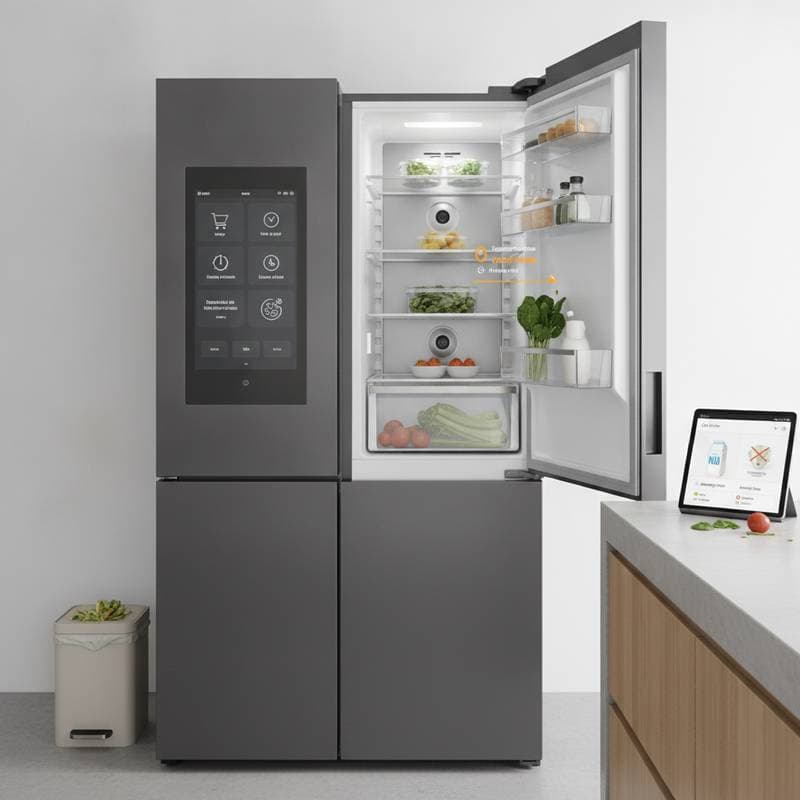
Not all household devices support utility communication, but compatible options expand rapidly.
- Smart thermostats: Models like the Google Nest Learning Thermostat and ecobee Smart Thermostat Premium adjust temperatures in response to utility requests for minor usage shifts.
- Smart water heaters: The Rheem ProTerra Hybrid Electric Water Heater integrates with demand response programs, heating water during low-rate periods.
- Connected washers and dryers: The GE Profile UltraFast Combo schedules cycles to align with off-peak hours.
- Smart EV chargers: The ChargePoint Home Flex postpones charging until renewable energy surges or prices decline.
These devices deliver automatic savings, typically without impacting comfort or daily routines.
Budget to Premium Options
To begin affordably, opt for a smart plug like the Kasa Smart Plug EP25, priced at approximately $20. This accessory renders standard appliances responsive to energy schedules.
For mid-range choices, the Nest Learning Thermostat, around $130, links to numerous utility rebate initiatives.
Premium selections include the Rheem ProTerra Hybrid Water Heater, starting at about $1700, which yields annual savings of several hundred dollars on electricity bills.
When selecting products, confirm alignment with your utility's demand response or time-of-use programs. Participating utilities frequently provide rebates or bill credits upon enrollment.
The Bigger Picture: Why Utilities Care
Utilities view connected devices as distributed resources akin to small power plants in communities. By redistributing energy usage, they sidestep the need for costly backup generators. This approach also facilitates the incorporation of intermittent renewables like wind and solar.
Utilities prioritize incentives over penalties, empowering customers with control. Participants can typically decline events or customize settings through device applications.
Practical Considerations Before You Join
- Assess Wi-Fi coverage: Stable connectivity is essential for receiving grid signals. Install a mesh network if signal dead zones exist.
- Review utility programs: Identify offerings such as time-of-use rates, peak saver initiatives, or demand response options to understand response triggers.
- Plan for upgrades: Smart appliances command 10 to 30 percent premiums over conventional models, yet rebates and savings recoup costs within years.
- Ensure safety and compatibility: Engage certified electricians for installations involving high-voltage equipment like water heaters or EV chargers.
Insider Knowledge: The Data Behind the Savings
The system's strength resides in subtle modifications. Delaying a refrigerator compressor by five minutes during peaks contributes to grid stability. Scaled across thousands of households, these actions avert major surges and potential blackouts.
Research indicates that coordinated demand response reduces peak loads by double-digit percentages, preserving lifestyles intact. This collaborative effort between residences and utilities sustains affordable, sustainable energy.
Making It Happen
To integrate your home with the grid, first evaluate existing appliances for smart capabilities. Many contemporary units feature untapped connectivity; activate these through settings. Then, consult your utility's website for energy management programs and register, a process that requires only minutes and may qualify you for rebates or credits.
For intricate setups, such as heat pumps or solar batteries, hire qualified professionals. Platforms connecting users with certified installers specializing in smart grid systems streamline this step.
Living with a Smarter Energy Routine
With appliances linked to your utility, energy oversight fades into the background. Bills decrease, and peak pricing notifications diminish. This setup fosters a sense of contribution to a resilient energy infrastructure while upholding personal ease.
Smart grid integration harmonizes individual needs with systemic efficiency. It paves the way for all-electric households or straightforward cost reductions through accessible technology.