How Smart Fridges Forecast Food Spoilage Three Days Early
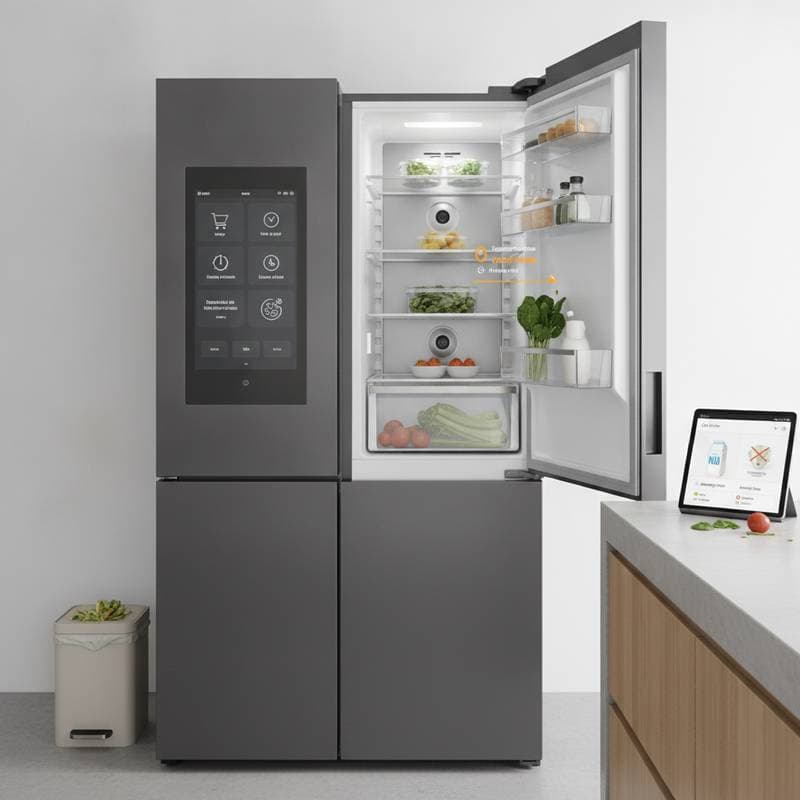
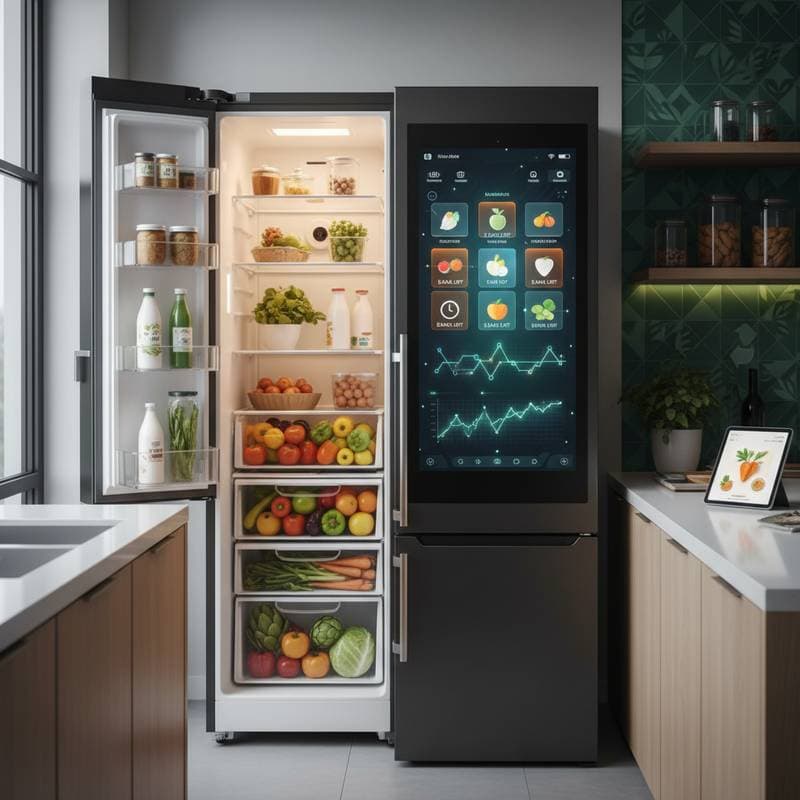
Smart homes extend beyond basic automation like voice controls and automated lights. The kitchen emerges as a center for predictive technology. Smart refrigerators lead this shift by identifying impending food spoilage up to three days ahead. These devices integrate sensors, image analysis, and data algorithms to reduce household waste, lower expenses, and enable fresher meal preparation with greater precision.
The Importance of Early Spoilage Detection
Households frequently encounter spoiled produce or dairy overlooked in refrigerator compartments. Globally, discarded food poses environmental and economic burdens. Experts indicate that families discard a notable share of purchases weekly due to inadequate monitoring and excess buying. Better management of perishables could yield annual savings in the hundreds of dollars.
Smart refrigerators function as proactive assistants beyond mere cooling. They track temperature variations, humidity, and item freshness to predict decline. Alerts appear on device screens or linked applications, allowing time to prepare or preserve items.
Mechanisms of Predictive Monitoring
Contemporary smart refrigerators employ internal sensors, cameras, and machine learning. Upon loading groceries, the unit scans items visually or via barcodes. It monitors these over time, analyzing patterns like fruit ripening rates or dairy longevity.
Sensors measure temperature, humidity, and ethylene gas from produce. When data indicates quality degradation soon, notifications issue. Advanced models suggest recipes incorporating at-risk items to prevent loss.
Key Innovations from Major Manufacturers
Appliance companies advance spoilage forecasting capabilities. Samsung's Family Hub series features internal cameras and remote-viewing applications. LG integrates with management platforms for expiration notices and meal ideas. Whirlpool and Bosch refine sensors for precise detection across food categories.
Emerging firms like Smarter and FresherAI develop software for retrofitting standard refrigerators with add-on sensors. This approach extends predictive functions to existing units without full replacement.
Primary Advantages for Users
Predictive features promote intentional use and efficient routines. Consider these core gains:
-
Waste Reduction
Timely reminders enable meal planning that slashes discards, conserving funds and materials. -
Improved Nutrition
Tracking ensures preparation with peak-fresh ingredients, fostering regular home cooking. -
Optimized Purchases
Systems generate targeted lists, curbing overacquisition. -
Lower Energy Use
Adaptive cooling zones maintain conditions efficiently, reducing overall consumption. -
Simplified Management
Notifications eliminate manual tracking, easing daily responsibilities for families.
Scientific Foundations of Forecasting
Accurate predictions stem from chemical detection and pattern recognition. Ethylene sensing identifies ripening in fruits like apples and bananas. Optical tools evaluate color shifts, while infrared measures moisture alterations.
These inputs inform algorithms that link conditions to timelines. Units refine accuracy by adapting to local habits, weather, and preferences. Integration of shelf-life data from producers, alongside usage patterns like door openings, enhances reliability.
Addressing Adoption Challenges
Promising as this technology is, hurdles persist. Premium pricing reflects added components like processors and sensors. Manufacturers counter with value-added efficiencies.
Data privacy concerns arise from cloud connections tracking consumption. Solutions include on-device processing and robust controls. Compatibility with platforms like Alexa or Google Home improves via standards such as Matter.
Practical Scenarios in Daily Use
Place groceries in the refrigerator after shopping; cameras catalog items and set shelf-life estimates while optimizing zones. Days later, an alert notes spinach nearing wilt; a pasta recipe with tomatoes follows. Meals proceed without loss.
Commercial settings benefit similarly. Restaurants monitor stock to trim expenses. Caterers track quality across sites for uniformity and cost control.
Contributions to Environmental Goals
Less waste means reduced demands on production, transport, and disposal resources. Households lower their footprint through routine tech support. Cities promote such tools via incentives to cut landfill contributions and emissions, fostering eco-conscious communities.
Evolving Kitchen Ecosystems
Spoilage alerts form part of broader connectivity. Ovens may pull fridge data for timely preheating or suggestions. Pantry trackers and waste logs refine recommendations. Full systems manage health, efficiency, and sustainability autonomously.
Selecting a Suitable Predictive Refrigerator
Upgrade decisions hinge on essential attributes:
-
Diverse Sensors: Combine visual, humidity, and gas inputs for precision.
-
Mobile Connectivity: Ensure app-based alerts and recipe access.
-
Intuitive Controls: Favor responsive interfaces for inventory handling.
-
Efficiency Ratings: Select high performers to balance smart features with low energy draw.
-
Update Support: Verify ongoing algorithm enhancements.
Integrating Predictive Tools into Routines
Begin with app-based tracking on current setups to identify waste patterns. Align new purchases with needs, such as recipe aids for frequent cooks or remote checks for travelers. Focus on appliances that enhance mindful practices.
These refrigerators transition from storage to collaborators, safeguarding purchases and streamlining choices. As costs decline, waste from oversight fades. Intelligent kitchens deliver awareness and ease, advancing sustainable homes.