Advanced Robot Vacuums Achieve Weekly Self-Cleaning and Refilling
Smart homes advance toward greater independence, particularly in floor care solutions. Early robot vacuums served as basic aids for dust collection during leisure time. Current models vacuum, mop, empty bins, and refill water tanks autonomously for extended periods. These weekly self-refilling robot vacuums mark a significant progression in home cleaning automation. They function as sophisticated systems that merge sensors, automation, and thoughtful design to foster cleaner, more efficient living spaces.
Transition from Manual Tasks to Independent Operation
Vacuuming and mopping rank among the most routine household duties. Basic robot vacuums required users to empty bins, refill tanks, and clean mop pads regularly. Emerging self-maintenance technologies alter this routine. Contemporary hybrid units vacuum, mop, and oversee their own upkeep processes. Certain models sustain operations for a full week without oversight.
This evolution aligns with a larger trend of reduced manual involvement. Consumer research indicates a preference for self-sustaining appliances. The benefit lies in reallocating time from chores to meaningful pursuits.
Essential Technologies Enabling Weekly Autonomy
Self-refilling robot vacuums incorporate coordinated innovations for reliable performance.
-
Automated Water Management Systems
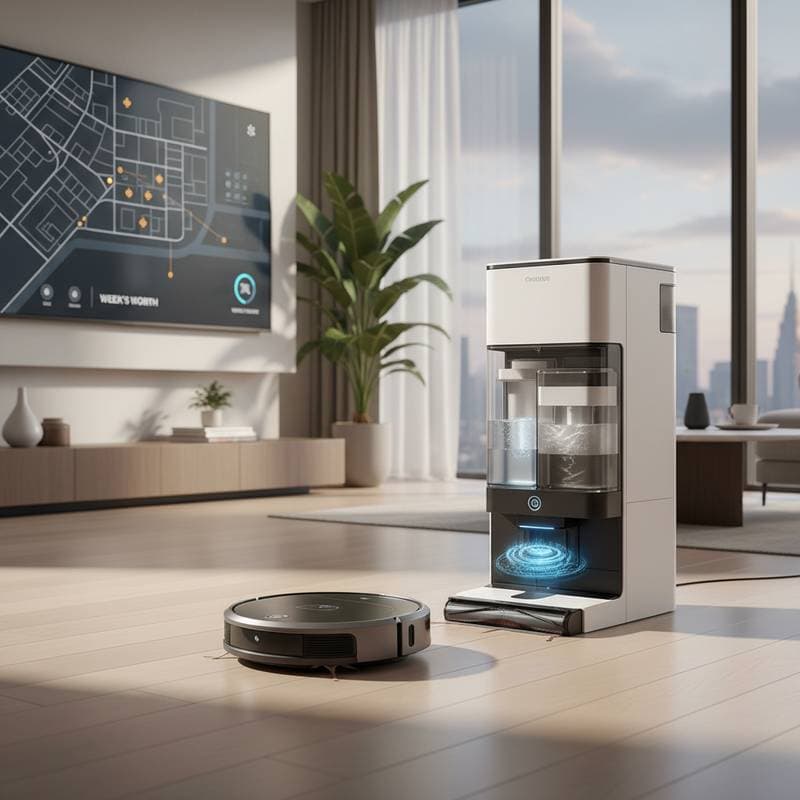
These units link to docking stations with dedicated clean and wastewater reservoirs. Upon docking, the robot discharges used water and draws fresh supply, maintaining mop readiness across sessions. Such capability supports daily mopping without user intervention. -
Integrated Mop Maintenance Mechanisms
Premium variants feature rollers or plates that rinse mop pads post-cycle. Many employ heated air circulation for drying, which inhibits bacterial growth and odors. This process preserves cleaning efficacy over multiple days. -
Precision Mapping and Navigation Tools
LiDAR systems paired with cameras enable accurate home layouts. Robots identify carpeted areas, bypass them during wet cleaning, and define targeted zones. Progressive learning refines paths for efficiency. -
Integrated Debris Handling
Docking units serve as centralized disposal points, extracting dirt into high-capacity bags sufficient for weeks. Users avoid frequent bin emptying, enhancing overall convenience.
These elements combine to deliver comprehensive independence. Initial setup of preferences allows the robot to manage subsequent operations.
Significance of Weekly Self-Refilling Capabilities
Autonomous floor cleaning holds established appeal. Weekly self-refilling elevates this through sustained performance and resource efficiency. Regular cleaning sustains floor freshness, minimizes allergens, and upholds aesthetic standards.
Homeowners shift from responsive to preventive maintenance. Automated routines ensure proactive hygiene without daily oversight. This adjustment promotes consistent cleanliness as a baseline.
Leading Examples in Autonomous Cleaning Technology
Industry leaders demonstrate the pinnacle of robot vacuum innovation.
-
Roborock S8 MaxV Ultra: High-powered suction pairs with sonic mopping, while the station handles washing, drying, and water replenishment. Multiple sessions occur before any user action.
-
Ecovacs Deebot X2 Omni: Square form factor accesses edges effectively, with a station that automates dust removal and water supply. Voice integration facilitates on-demand modifications.
-
Dreame L20 Ultra: Mop extension reaches overlooked areas, supported by a base with ample water reserves and odor-preventing ventilation.
These products emphasize minimal user involvement alongside superior cleaning results. Development prioritizes longevity in automated functions.
Integration into Intelligent Home Environments
Envision mornings free from floor care concerns. The robot completes overnight tasks, refreshes its resources, and readies for future runs. This fluidity complements contemporary connected living.
Compatibility extends to broader ecosystems via voice controls or hubs. Devices align with user routines, initiating cleans upon departure or halting during activities. Evolving standards like Matter enhance cross-device harmony.
Sustainability and Cost-Benefit Analysis
High-end self-refilling units appear premium at outset. Long-term advantages include time savings and resource optimization. Precise water dispensing cuts waste relative to traditional methods. Routine care prolongs floor durability.
Power usage remains low, with efficient recharging and path optimization reducing overall consumption. Environmentally, reduced disposable components and water efficiency stand out. Producers adopt sustainable materials and packaging to support these benefits.
Remaining Obstacles in Implementation
Technology advances impressively, yet limitations persist. Setup demands precision, particularly for plumbing integrations or spacious docks. Pet-heavy or active homes may require supplementary manual efforts.
Clutter impacts navigation, as sensors struggle with small obstacles. Pre-cleaning sweeps improve outcomes. Initial costs exceed basic models, though sustained convenience offsets expenses for hygiene-focused households.
Prospects for Enhanced Floor Maintenance
Current developments preview future home care landscapes. Testing focuses on multi-surface adaptability. Upcoming units may apply surface-specific solutions automatically.
AI enhancements enable real-time spill detection and adaptive scheduling. Robots respond to immediate needs, such as post-entry dirt. Ecosystem synergies with air and humidity controls promise holistic indoor wellness.
Selecting and Optimizing Self-Maintaining Systems
Prospective buyers should evaluate these aspects:
-
Spatial Requirements: Verify docking area availability, accounting for tank and hose space.
-
Surface Compatibility: Confirm support for vacuuming and mopping on varied floors. Adjustable settings accommodate diversity.
-
System Integration: Prioritize seamless app or voice compatibility for routine management.
-
Ongoing Care: Plan for periodic bag changes and filter inspections to sustain efficiency.
-
Operational Noise: Position stations in low-traffic zones to minimize disturbances during cycles.
These considerations maximize system potential.
Accelerating Adoption Trends
Uptake surges due to tangible efficiency and reliability. Research highlights appreciation for intuitive time-savers. Self-refilling resolves mopping's upkeep demands, easing integration.
Consistent cleanliness provides reassurance. Automation evolves from novelty to essential, mirroring appliances like washers.
Embracing Hands-Free Home Hygiene
Weekly self-refilling robot vacuums signal a pivotal automation milestone. They transcend utility, embodying self-regulating residences.
For those managing diverse responsibilities, these systems deliver practical relief. They eliminate routine burdens, cultivating serene, orderly spaces.
Continued progress promises refined autonomy and synergy. Beyond pristine surfaces, they enable homes that support daily rhythms unobtrusively.