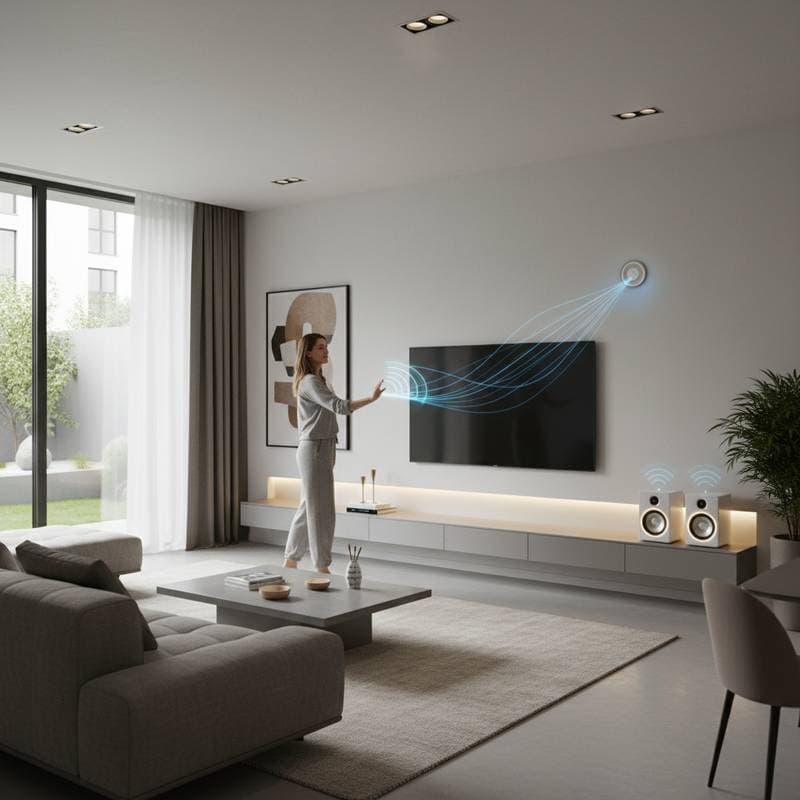
Voice-Free Gestures Revolutionize Smart Home Control
Smart homes are evolving toward intuitive interaction methods. Voice assistants have led the market for years, yet a significant transition is underway. Gesture control, driven by radar sensors and advanced motion tracking, alters how individuals engage with their living environments. Homes now react to a hand wave, wrist flick, or subtle shift in posture, creating an instinctive, contactless experience that integrates seamlessly into daily routines.
The Rise of Touchless Living
Gesture control appeals through its emphasis on convenience. Individuals seek rapid, hygienic, and organic methods to oversee their surroundings. Voice commands prove effective yet prone to misinterpretation or discomfort in communal areas. Touchscreens introduce unnecessary devices and demand direct contact. Gesture systems eliminate these obstacles, enabling smooth engagement without verbal input or physical interaction.
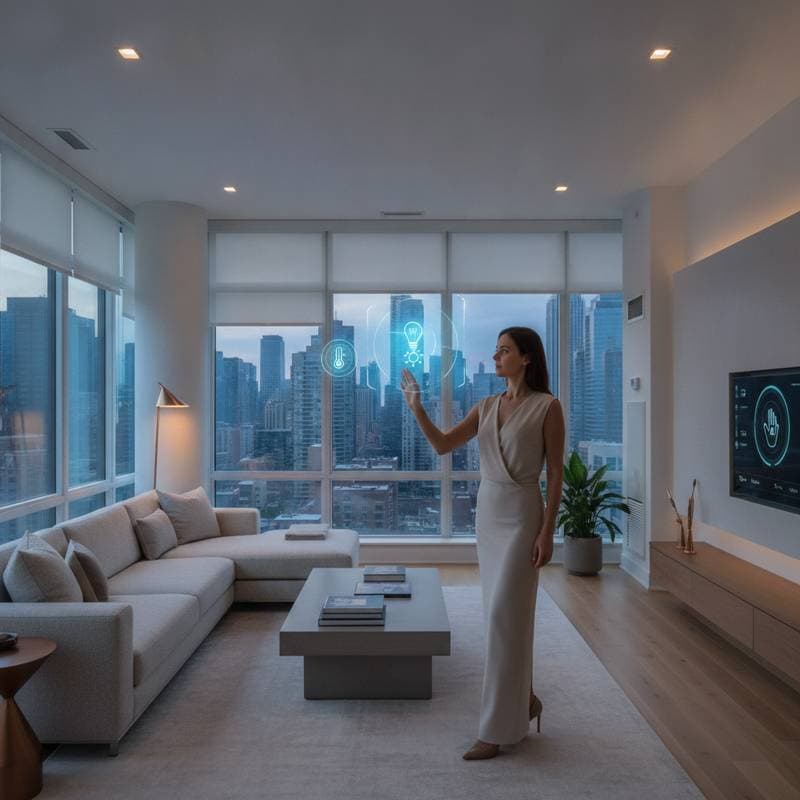
Radar sensors enable this advancement. Distinct from basic motion detectors that identify only proximity, these sensors capture detailed movements with high accuracy. Lights activate via a swift hand gesture, while entertainment setups halt playback upon an upward palm signal. The system operates reliably even with occupied or soiled hands, enhancing usability in practical scenarios.
How Gesture Control Works
Gesture control converts physical actions into electronic instructions. Compact radar sensors transmit low-power waves that reflect from objects, providing insights into motion, proximity, and velocity. Algorithms powered by machine learning analyze these inputs to differentiate deliberate signals from incidental activity. The system adapts to user patterns over time, improving precision and reaction speed.
Integration occurs in devices such as smart screens, audio units, or structural elements. Developers test comprehensive radar arrays that monitor activity throughout residences. Such setups foster responsive spaces: lights fade upon room exit, or window coverings descend with an extended arm motion. This capability transitions from conceptual designs to practical implementations.
Why It Matters for Everyday Life
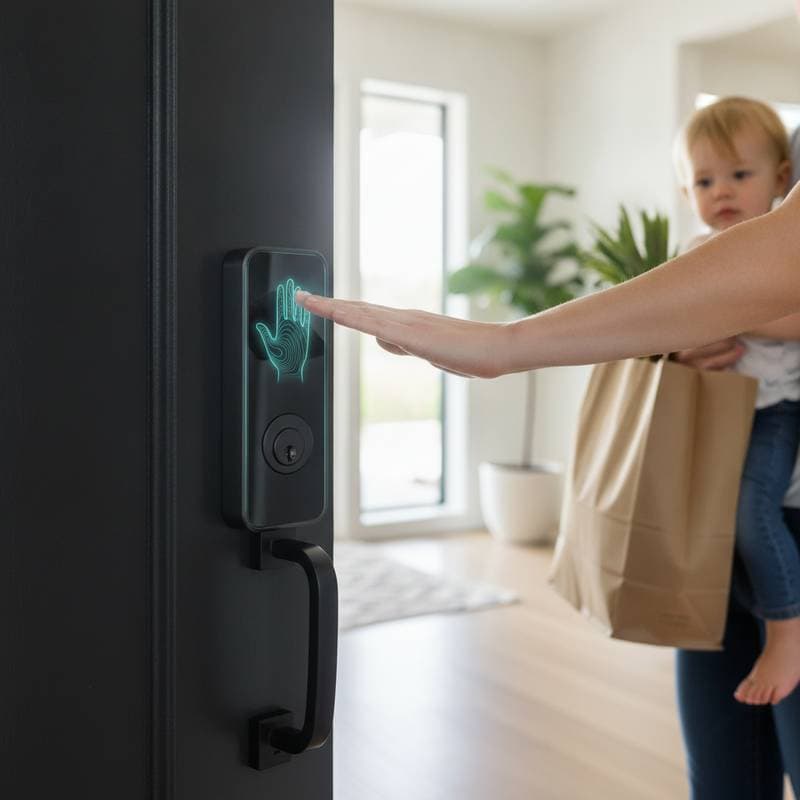
Gesture control elevates comfort and inclusivity. Those facing mobility or communication limitations gain independent control over their settings. In active families, it supports uninterrupted tasks. Consider preparing a meal while modulating audio levels through a brief gesture, or deactivating illumination while transporting supplies. These efficiencies contribute to a more fluid routine.
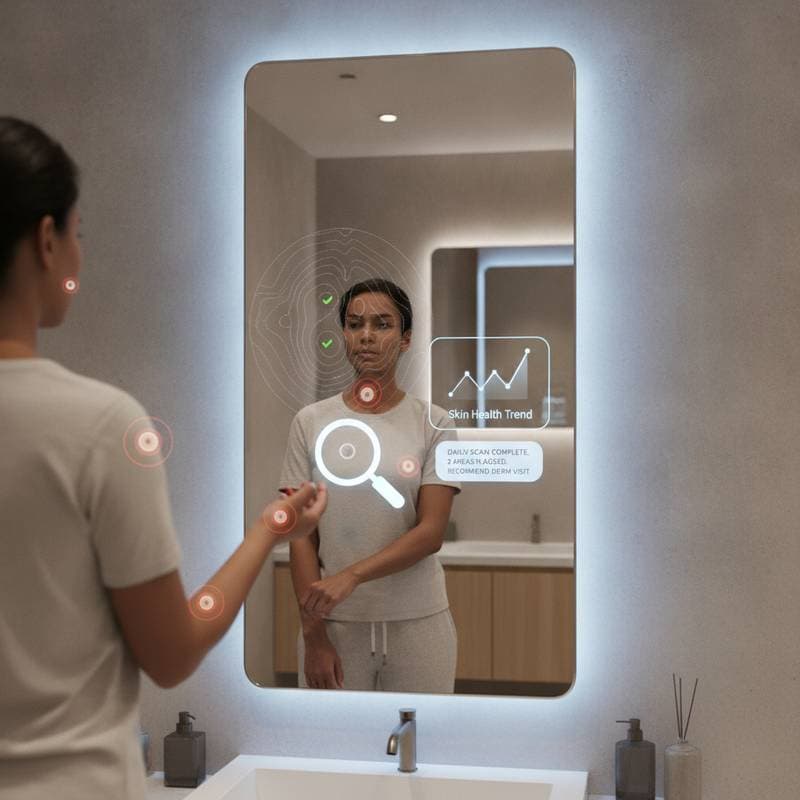
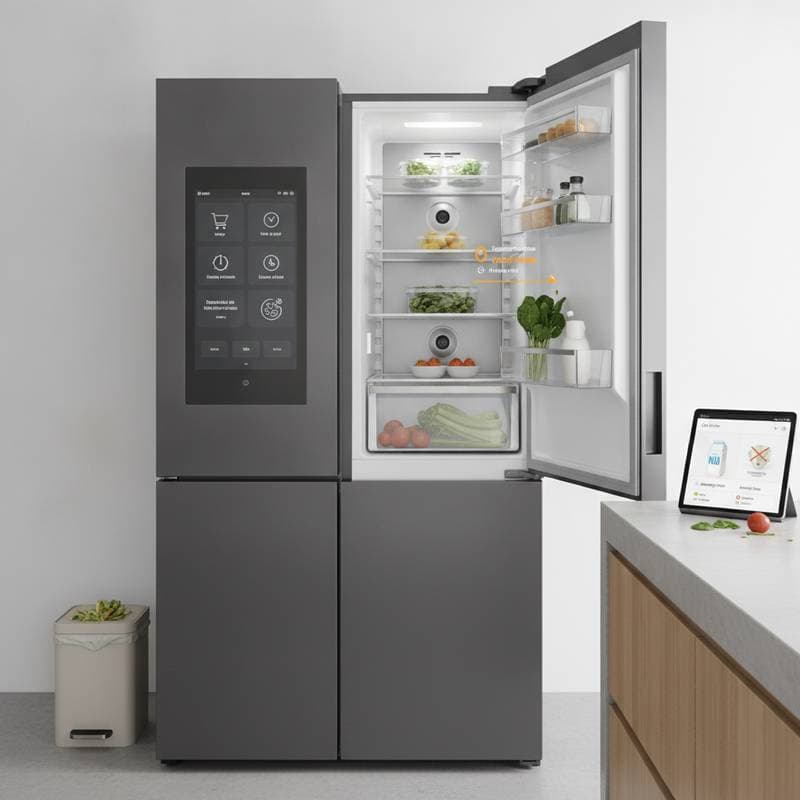
The approach aligns with trends in sanitary environments. Contactless operation reduces cleaning demands on interfaces and minimizes degradation of manual controls. Residences become more sanitary and effortless to maintain, particularly in high-traffic zones like cooking areas, restrooms, and communal appliances. The innovation proves understated yet profoundly useful, shaping architectural and functional decisions.
Real-World Examples Leading the Way
Leading firms advance gesture interfaces. Google's Soli radar technology, initially applied in portables and mobiles, integrates into home displays. Users mute notifications or advance media with minimal motions. Certain illumination solutions employ overhead radar units to interpret movement patterns for varied responses. A rotational gesture alters hue, whereas a lateral motion tunes intensity.
Automotive sectors test analogous systems for cabin controls, influencing residential applications. This interchange between vehicle and home radar accelerates adoption, positioning gesture control as a standard rather than specialized option.
The Challenges Ahead
Gesture systems encounter hurdles in reliability. Performance fluctuates with illumination levels, spatial configurations, and device positioning. Initial setup demands adjustment to separate routine actions from directives. Data privacy emerges as a key issue. Although radar avoids image recording, motion logs prompt inquiries into storage and application practices.
Solutions include localized computation, where interpretations occur on the device without cloud transmission. This bolsters protection and immediacy. Enhanced compatibility protocols will simplify cross-manufacturer setups, broadening accessibility.
The Lifestyle Shift Toward Ambient Intelligence
Gesture control contributes to ambient intelligence, where environments perceive context and adjust proactively. Residences learn from behaviors and respond accordingly. Gestures serve as a conduit between user goals and automated functions, augmenting rather than supplanting voice or scheduling tools. The combination yields adaptable layers attuned to routines and conditions.
Envision a space that detects arrival, recalls selections, and reacts to motions organically. Illumination softens as one approaches reading material, climate settings shift upon seating, and media selections restart via relaxed signals.
Living with Gesture-Driven Intelligence
Adopting gesture systems redefines engagement dynamics. It promotes designs centered on natural, user-focused flows. Property owners benefit from testing radar-equipped products.
Begin with isolated areas to assess integration. Observe shifts in interaction habits and ease. Gradually, reliance on verbal cues diminishes, fostering more organic navigation.
Integrating Gestures for Effortless Home Management
Gesture control marks a pivot to unobtrusive systems and intuitive exchanges. As sensors miniaturize and algorithms refine, contactless operation becomes habitual. Future residences prioritize natural responses to occupancy, eliminating the need for explicit inputs.